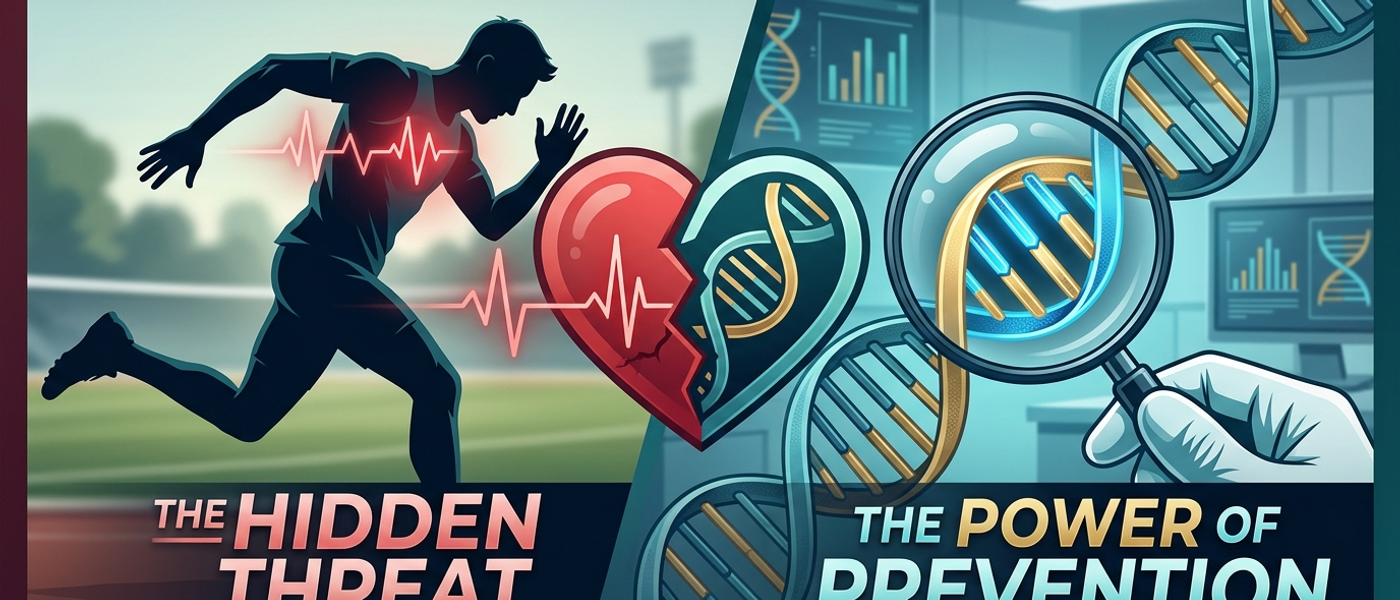
When a young, seemingly healthy person suddenly collapses from a cardiac event, the shock is profound. A competitive athlete on the field, a marathon runner, or a young professional with no known illness — these tragedies leave families and communities searching for answers.
Over the years, several high-profile athletes have brought attention to this issue. Footballer Marc-Vivien Foé collapsed during an international match in 2003 due to an undiagnosed heart condition. More recently, Danish football star Christian Eriksen suffered a cardiac arrest during the UEFA Euro 2020 tournament but survived because of immediate medical intervention. Such incidents highlight a critical reality: serious heart conditions can remain silent until a life-threatening event occurs.
Sudden cardiac death in young adults is uncommon, but not rare. Studies estimate that thousands of young individuals worldwide die unexpectedly each year due to undiagnosed inherited cardiac conditions. In many cases, the first symptom is the fatal event itself.
What makes these cases especially devastating is that many affected individuals appear completely healthy. They may exercise regularly, maintain a healthy lifestyle, and have no prior diagnosis of heart disease. Yet hidden within their DNA may be inherited genetic variants that affect the structure or electrical signaling of the heart.
Conditions such as hypertrophic cardiomyopathy, Long QT syndrome, Brugada syndrome, arrhythmogenic cardiomyopathy, and familial hypercholesterolemia are among the most important inherited cardiac disorders linked to sudden cardiac death and early heart attacks. These conditions can silently increase the risk of dangerous arrhythmias, heart failure, or premature coronary artery disease.
Sometimes the warning signs are subtle:
- fainting during exercise,
- unexplained seizures,
- palpitations,
- chest discomfort,
- or a family history of sudden death at a young age.
Unfortunately, these clues are often overlooked until tragedy strikes.
Genetics also plays a major role in heart attack risk. While lifestyle factors such as smoking, diabetes, obesity, and stress contribute significantly, inherited disorders can dramatically increase cardiovascular risk even in young adults. For example, familial hypercholesterolemia causes extremely high cholesterol levels from birth and may lead to heart attacks decades earlier than expected if left untreated.
The encouraging reality is that many of these deaths may be preventable through early identification and proactive medical care.
Advances in clinical genetic testing now allow doctors to identify inherited cardiac risks before symptoms develop. A genetic screening test can detect pathogenic variants associated with hereditary heart disease and inherited cholesterol disorders, helping individuals and families uncover risks that routine health checkups may not detect.
This information can be life-saving.
Depending on the condition identified, preventive measures may include:
- regular cardiac monitoring,
- lifestyle modifications,
- medications,
- cholesterol-lowering therapy,
- avoiding specific triggers,
- implantable defibrillators,
- or screening of close family members who may also carry the same genetic risk.
Importantly, genetic testing is not about predicting fate or creating fear. Carrying a genetic risk does not guarantee disease. Instead, it provides actionable information that allows individuals and doctors to make informed decisions before a medical emergency occurs.
In many families, one genetic diagnosis can help protect siblings, parents, children, and future generations.
The greatest danger with inherited heart disease is often not the condition itself — but not knowing it exists.
Because when it comes to sudden cardiac death, the most powerful intervention is not emergency treatment after collapse. It is recognizing hidden risk early enough to prevent the tragedy from happening in the first place.
How HEALTHSTRING Can Help?
HealthString provides clinical-grade genomic screening to identify inherited genetic risks associated with sudden cardiac death, early heart attacks, and hereditary heart conditions.
The test analyzes genes linked to disorders such as cardiomyopathies, inherited arrhythmia syndromes, and familial hypercholesterolemia — conditions that may remain undetected during routine health evaluations.
By identifying actionable genetic risks early, individuals and families can pursue appropriate medical follow-up, preventive care, cardiac monitoring, and family screening when necessary.
As preventive healthcare advances, genomic screening offers an opportunity to detect hidden inherited risks before symptoms appear and before a potentially life-threatening cardiac event occurs.